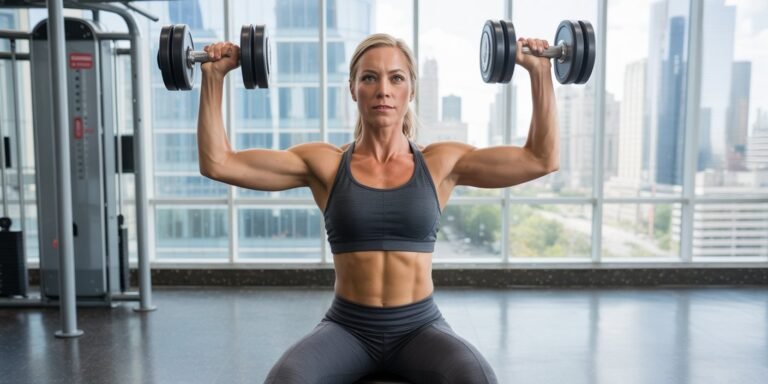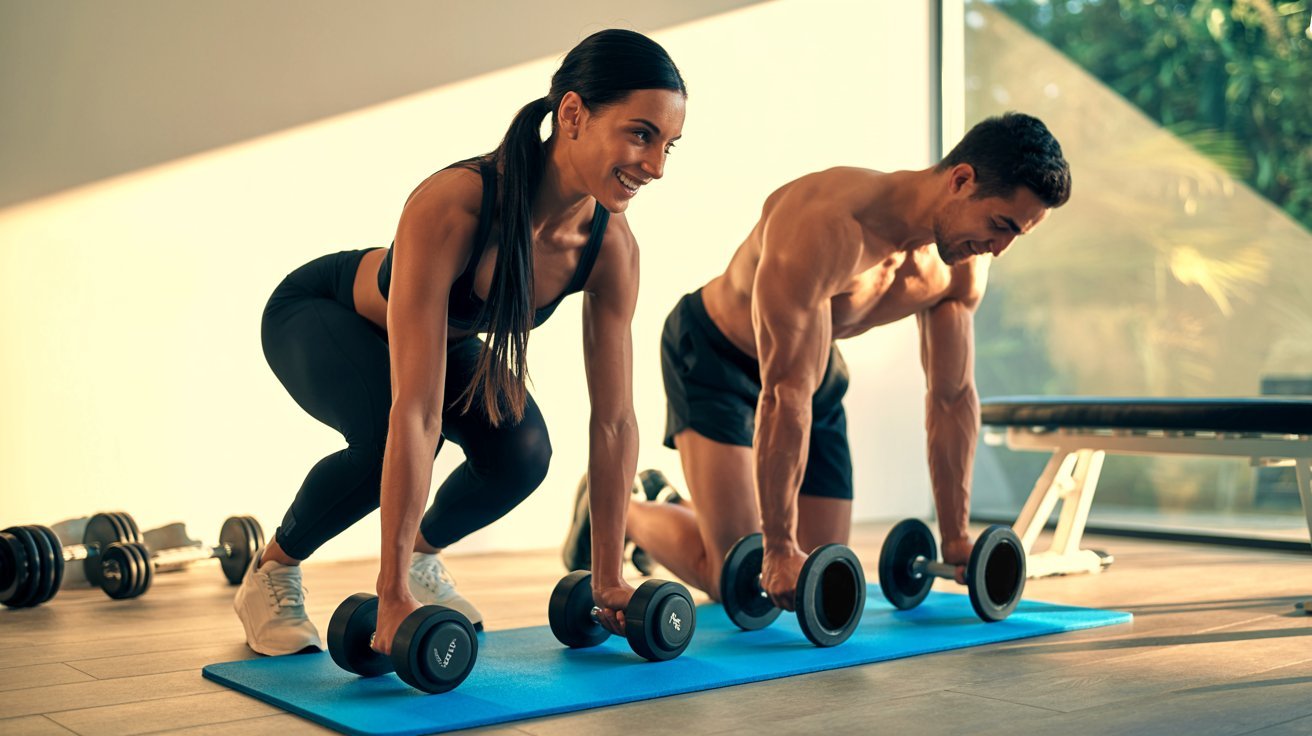
The Push Pull Legs (PPL) routine is one of the most effective and time-tested strength training programs for building muscle, increasing strength, and maintaining a balanced physique.
Loved by beginners and advanced lifters alike, this training split divides your workouts into three core movements: push (chest, shoulders, triceps), pull (back, biceps), and legs (quads, hamstrings, glutes, calves).
By structuring your sessions around these movement patterns, you ensure that every muscle group gets the attention it needs without overtraining.
What makes PPL so powerful is its simplicity and flexibility. You can adapt it to fit your schedule—whether you train three times a week or six times a week.
It’s also highly effective for progressive overload, since you can gradually increase weight, volume, and intensity while still allowing proper recovery time.
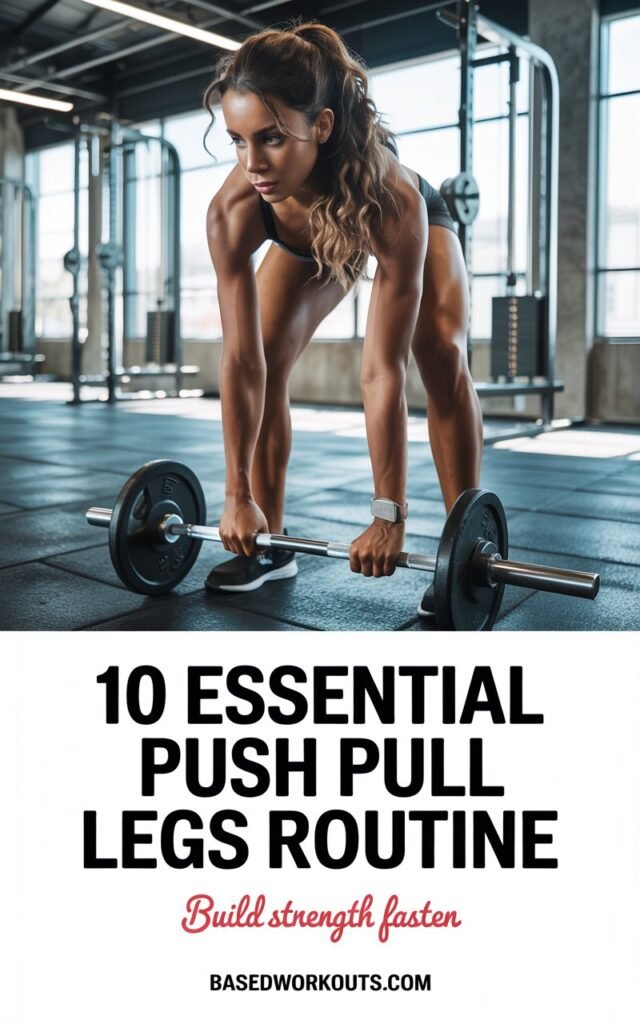
This balance between training and recovery is what makes PPL one of the best splits for sustainable long-term growth.
But simply knowing the split isn’t enough—how you approach it determines your results. Small mistakes in exercise selection, rest times, or progression can hold you back.
That’s why understanding the right strategies is key if you want to maximize muscle growth, build strength, and prevent injuries.
In this guide, we’ll cover 10 essential tips to help you get the most out of your Push Pull Legs routine.
From mastering exercise selection and balancing volume to optimizing recovery and tracking progress, these insights will ensure your training is both effective and efficient.
Whether your goal is to build size, gain strength, or sculpt a balanced physique, these PPL tips will give you the roadmap to success.
Before starting a push-pull-legs routine, it’s helpful to tone your legs with Moves To Tone Your Legs At Home (No Equipment Needed!)
Amazon Gear: Essentials for Your Push Pull Legs Routine
Want to Build Strength, Balance, and Muscle with a Smart Training Split?
The right workout tools make your Push Pull Legs (PPL) routine more efficient, effective, and consistent — whether you’re lifting at home or in the gym.
Here are my top Amazon picks to support your strength-building journey:
| Product | Why You’ll Love It | Shop Now |
|---|---|---|
| Adjustable Dumbbell Set | Saves space and lets you train every muscle group with customizable weights. | Check Price on Amazon |
| Adjustable Weight Bench | Perfect for push and pull days — supports presses, rows, and leg exercises. | View on Amazon |
| Resistance Bands Set (Heavy Duty) | Adds variety, helps with warm-ups, and builds strength through controlled tension. | Shop Now |
| Barbell Pad for Squats & Hip Thrusts | Increases comfort during leg day and heavy barbell lifts. | Buy on Amazon |
| Pull-Up Bar (Doorway or Wall-Mounted) | Great for pull days — strengthens back, arms, and grip. | See Details |
| Lifting Straps & Wrist Wraps Set | Helps you lift heavier and maintain form without wrist strain. | Shop Now |
| Protein Shaker Bottle (BPA-Free) | Mixes pre- and post-workout shakes easily — stay fueled and hydrated. | View on Amazon |
| Foam Roller or Massage Gun | Aids recovery by reducing muscle soreness and tightness between sessions. | Check Price on Amazon |
| Weightlifting Belt (Adjustable Support) | Enhances core stability and safety during heavy lifts. | View on Amazon |
| Gym Towel (Microfiber, Fast-Dry) | Keeps you dry and comfortable throughout intense strength sessions. | Shop Now |
These Push Pull Legs training essentials help you lift smarter, recover faster, and make the most of every workout — whether your goal is muscle growth, strength, or endurance.
1. Understanding the Push-Pull-Legs Split
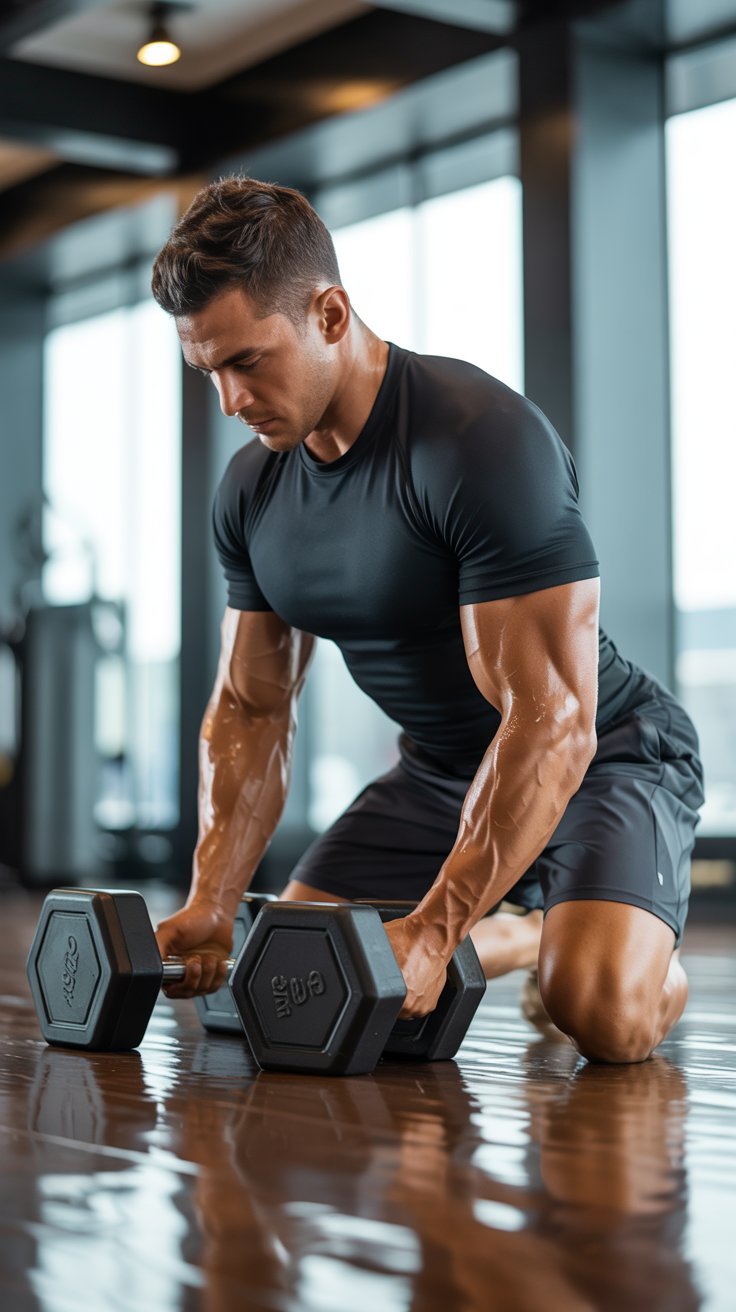
The push-pull-legs (PPL) split is one of the most balanced and time-efficient workout structures ever created.
It divides your training into three core movement categories — pushing, pulling, and leg work — allowing you to target every major muscle group while managing recovery effectively.
Push days focus on movements where you extend or “push” weight away from your body. These exercises typically engage your chest, shoulders, and triceps.
Think of exercises such as push-ups, bench presses, overhead presses, and tricep dips.
They build upper-body strength and stability while improving posture and performance in daily movements.
Pull days involve exercises that bring resistance toward your body. This category targets your back, biceps, and rear shoulders — the muscles responsible for posture and pulling strength.
Movements like rows, pull-ups, and bicep curls belong here. A strong pull routine not only improves aesthetics but also helps prevent muscular imbalances caused by overtraining the chest or shoulders.
Leg days complete the cycle, focusing on the lower body’s powerhouse muscles — the quadriceps, hamstrings, glutes, and calves.
Exercises such as squats, lunges, and deadlifts develop strength, balance, and power.
Strong legs support every other aspect of fitness, from sprinting and jumping to maintaining overall stability.
This three-way split makes training more organized and adaptable.
You can perform it three times a week (one category per day) or repeat the cycle twice weekly for six total training days, depending on your fitness level and recovery ability.
It offers flexibility, balanced muscle development, and consistent progress — ideal for anyone from beginners to experienced lifters.
2. Benefits of a Push-Pull-Legs Routine
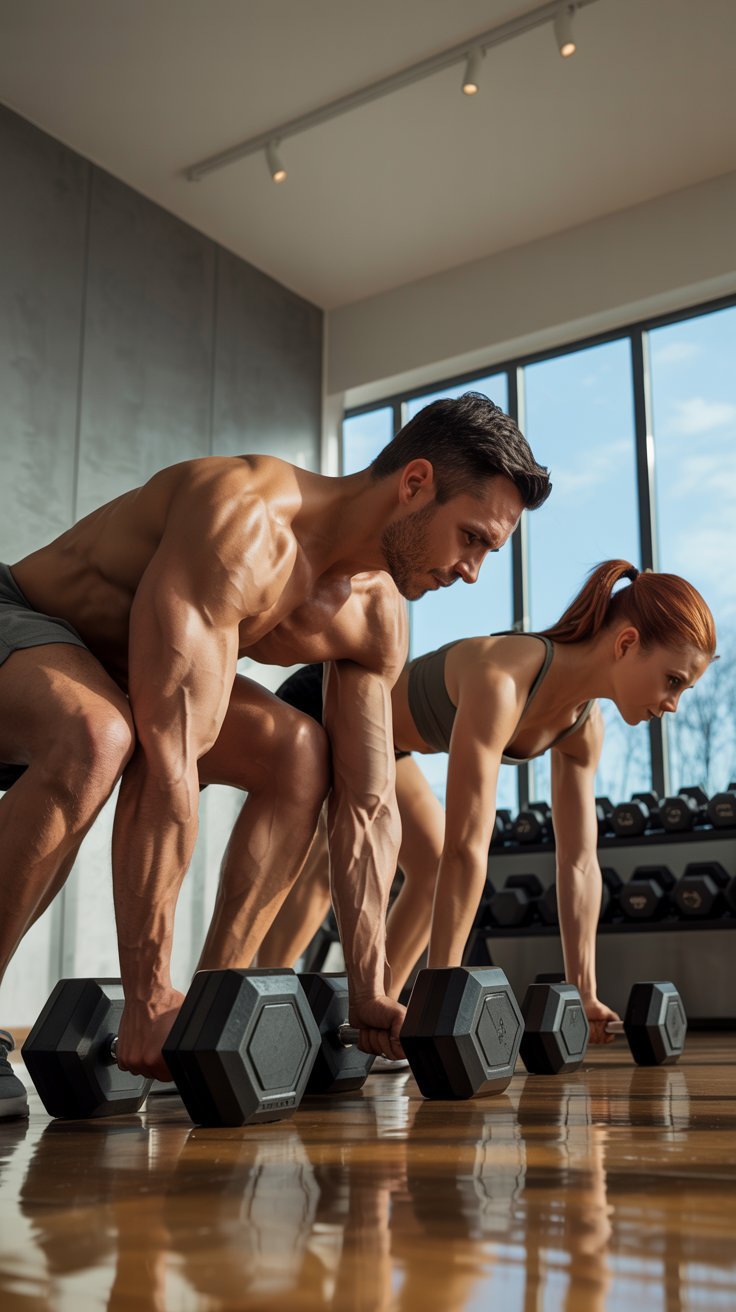
The Push-Pull-Legs (PPL) split is one of the most effective and widely used training methods for both beginners and experienced lifters.
By dividing workouts into three categories—push exercises (chest, shoulders, triceps), pull exercises (back, biceps), and legs (quads, hamstrings, glutes, calves)—it ensures a balanced approach to building strength and muscle.
One of the main advantages of a PPL routine is balanced muscle development.
Each muscle group receives dedicated attention, reducing the risk of developing imbalances from overtraining certain areas. It also allows for more efficient recovery.
Since each workout focuses on specific muscle groups, your body gets enough rest while still allowing you to train multiple times per week.
PPL routines are highly flexible, making them easy to adapt to your schedule. Beginners can follow a three-day plan, completing one push, one pull, and one leg session per week.
More advanced lifters can train six days per week, repeating the cycle to maximize muscle growth and strength gains.
Another major benefit is that it promotes both strength and hypertrophy.
By targeting major muscle groups multiple times a week and allowing for progressive overload, PPL routines encourage effective muscle growth and improved performance.
This system is also time-efficient. Workouts are structured and focused, eliminating guesswork in the gym while ensuring all major muscles are trained consistently.
Overall, the Push-Pull-Legs routine provides a well-rounded, adaptable, and highly effective framework for anyone looking to build strength, muscle, and endurance while maintaining recovery and consistency.
3. Designing Your Push Workout
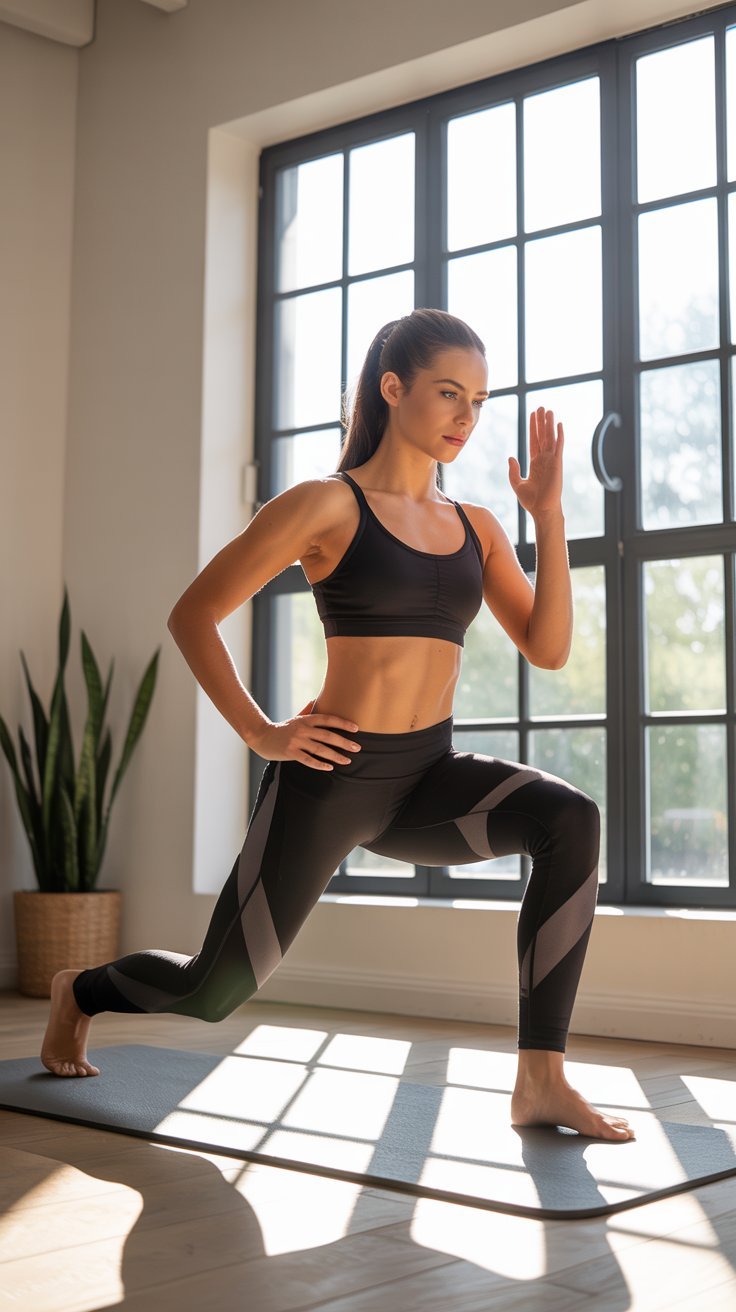
The push workout forms the foundation of upper-body strength and aesthetic balance.
It targets the muscles that extend your arms and press resistance away from your body — primarily the chest, shoulders, and triceps.
When designed strategically, a push day not only builds muscle but also improves posture, shoulder health, and everyday functional movement.
A well-structured push session should include a mix of compound and isolation movements.
Compound exercises work multiple muscles at once and form the backbone of your workout, while isolation exercises fine-tune specific areas for definition and endurance.
How to Structure It
Start each session with a short warm-up to activate the shoulders, chest, and triceps.
Light resistance bands, dynamic stretches, or a few minutes of bodyweight movements (like arm circles or knee push-ups) prepare your joints and muscles for heavier work ahead.
Then, move into your main workout phase with progressive overload in mind — gradually increasing weight or intensity over time to encourage muscle growth and strength.
Your session should flow from large muscle groups to smaller ones, maintaining control and good form throughout.
Example Structure:
- Compound Press Movement – Bench Press or Push-Ups (Chest Focus)
- Overhead Press – Dumbbell or Barbell Variation (Shoulders)
- Incline Press – Targets Upper Chest and Front Shoulders
- Triceps Dips or Close-Grip Push-Ups – Arm Definition and Strength
- Lateral Raises or Front Raises – Shoulder Isolation and Stability
What You’ll Need
To perform an effective push workout at home or in the gym, you don’t need a full rack of heavy equipment.
A pair of adjustable dumbbells, a sturdy bench or elevated surface, and resistance bands are enough to start.
Over time, you can add tools like a barbell, stability ball, or weighted vest to increase intensity.
Focus on consistent form, controlled tempo, and mindful breathing. The goal isn’t just to push weight but to build strength safely while improving muscle coordination.
When done correctly, your push workout becomes the cornerstone for upper-body power and sculpted definition.
4. Tracking Progress in Your PPL Routine

Progress tracking is one of the most important yet often overlooked aspects of fitness.
In a push-pull-legs (PPL) routine, consistent monitoring helps you identify what’s working, adjust when necessary, and stay motivated as your strength and endurance improve.
Tracking isn’t just about numbers — it’s about measuring performance, recovery, and consistency over time.
How to Track Your Progress
Begin by recording each workout session. Note the exercises, sets, repetitions, and weights used. A simple notebook or digital tracking app can help you visualize patterns and spot improvements.
Over several weeks, this data reveals how your strength and performance evolve, allowing you to make small, strategic adjustments.
You can also track progress through movement quality. Pay attention to how your body
feels during each session — smoother form, increased stability, and greater control often signal that your muscles are adapting and growing stronger.
Resting heart rate, recovery time, and workout energy levels are equally valuable indicators of long-term progress.
For aesthetic or body composition goals, take photos or body measurements every few weeks.
These visuals can highlight subtle changes in muscle definition or symmetry that the scale may not reflect.
What You’ll Need
To effectively monitor your progress, you’ll need only a few tools:
- A workout journal or fitness app for logging sessions
- A tape measure for tracking muscle size or waist changes
- Optional: a digital scale and body fat monitor for composition insights
- A camera or phone for progress photos
Why It Matters
Tracking turns effort into evidence. It ensures your PPL routine stays productive, helps you identify plateaus early, and reinforces motivation through visible progress.
Most importantly, it builds accountability — the foundation for sustainable results.
Also check out The Ultimate Leg Workout Guide: From Home Routines to Gym Machine Mastery for exercises combining home workouts with gym equipment.
5. Crafting Your Pull Workout
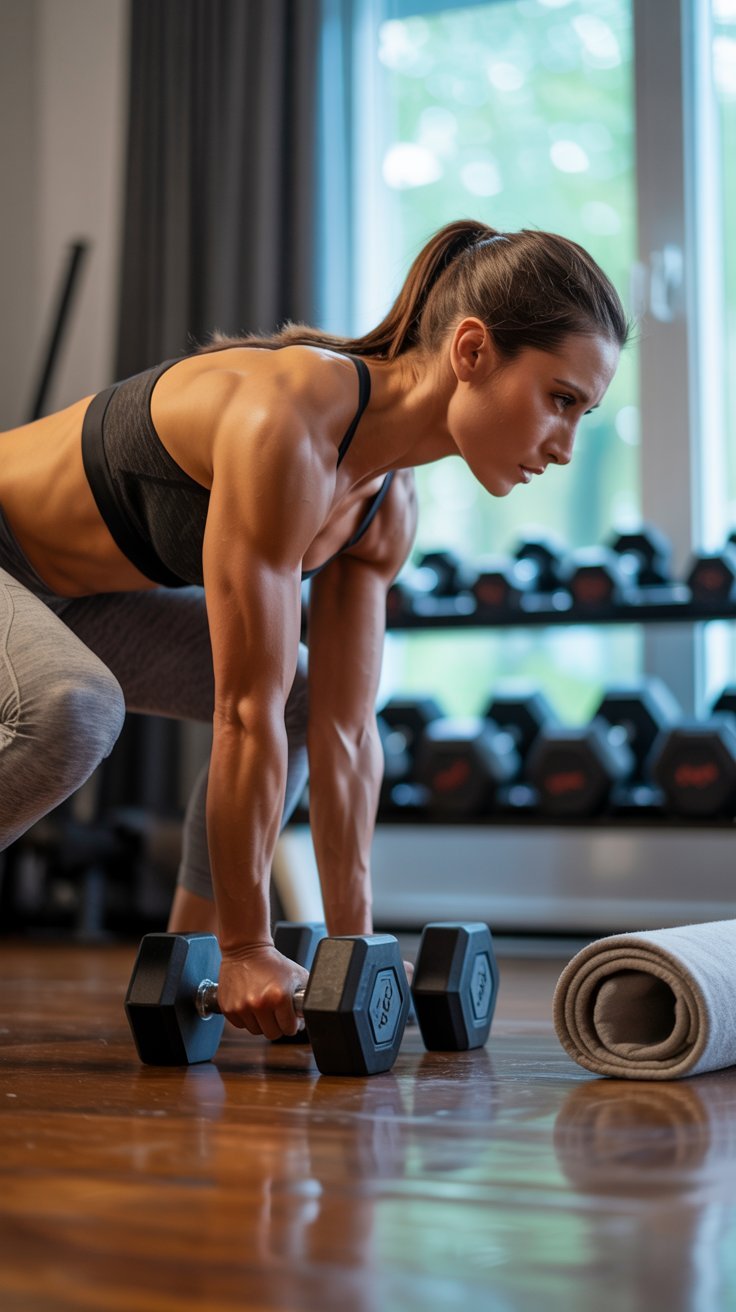
The pull workout in a Push-Pull-Legs routine is designed to target the muscles responsible for pulling movements, primarily the back and biceps.
When structured correctly, a pull day not only strengthens these muscles but also improves posture, grip strength, and overall upper-body balance.
Understanding Pull Movements
Pull exercises focus on drawing weight toward your body, engaging the lats, traps, rhomboids, rear delts, and biceps.
Compound movements, like pull-ups or bent-over rows, recruit multiple muscles at once, making them highly effective for building strength and mass.
Isolation exercises, such as bicep curls or face pulls, complement the compound lifts by targeting specific muscles for definition and symmetry.
Key Components of a Pull Workout
A well-rounded pull session should include:
- Vertical Pulls: Exercises like pull-ups, chin-ups, or lat pulldowns, which target the lats and upper back.
- Horizontal Pulls: Rows, inverted rows, or seated cable rows, which engage the mid-back, traps, and rear delts.
- Bicep Focus: Curls, hammer curls, or concentration curls to strengthen and sculpt the arms.
- Rear Delts & Traps: Face pulls, reverse flyes, or shrugs to balance the shoulders and improve posture.
Structuring Your Pull Day
Start with compound lifts first, when your energy levels are highest, to maximize strength and muscle recruitment.
Follow up with isolation exercises to fatigue the smaller muscles and enhance definition.
Typically, 4–6 exercises are sufficient, with 3–4 sets of 8–12 reps for hypertrophy or 5–6 reps for strength-focused lifts.
Tips for an Effective Pull Workout
- Focus on controlled movements and a full range of motion. Avoid swinging or using momentum, which reduces effectiveness and increases injury risk.
- Prioritize progressive overload by gradually increasing weight or reps to keep challenging your muscles.
- Incorporate grip-strength work, such as farmer’s carries or dead hangs, to enhance performance in pulling exercises.
- Allow adequate rest between sets, especially for heavy compound movements, to maintain proper form and intensity.
A well-designed pull day complements push and leg days, ensuring balanced development, stronger posture, and improved upper-body aesthetics.
By following a structured approach and progressively challenging your muscles, you’ll see noticeable improvements in strength, size, and definition over time.
6. Building Your Leg Workout Plan
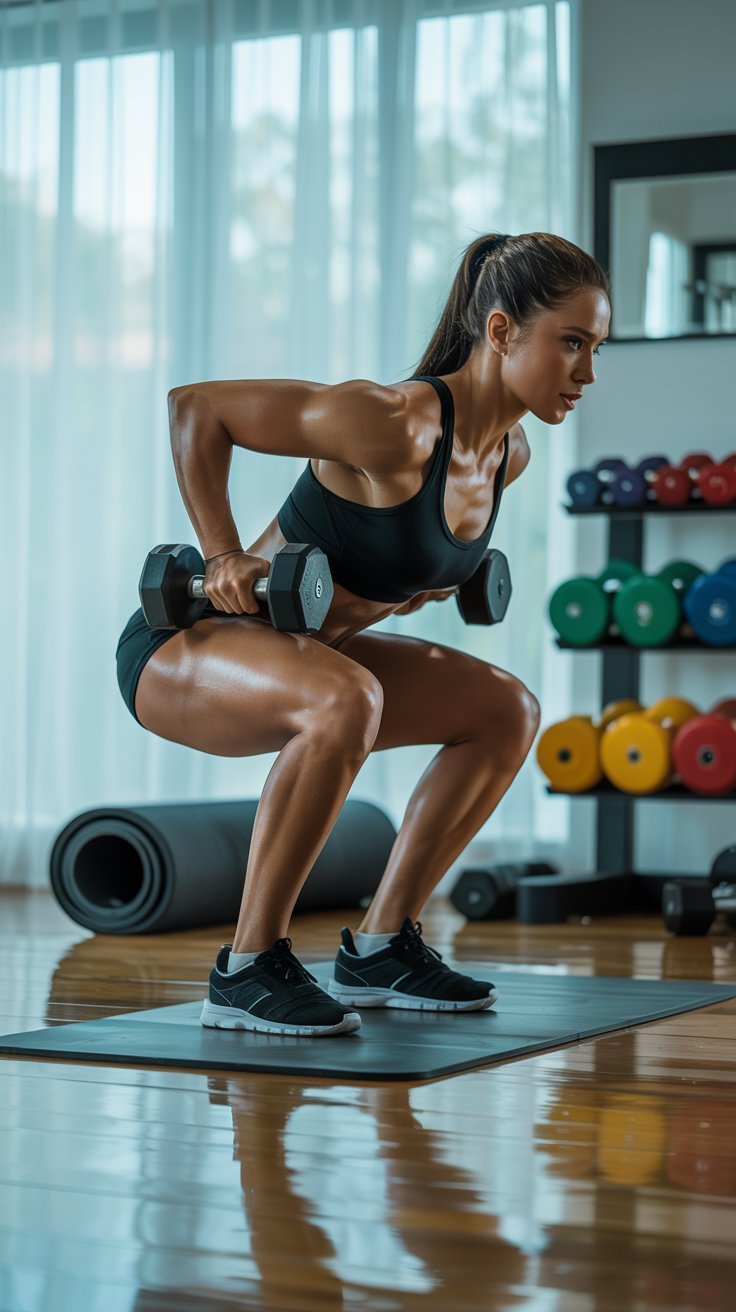
Your leg workout is the foundation of overall strength and athletic performance.
The legs contain the body’s largest muscle groups — the quadriceps, hamstrings, glutes, and calves — which are responsible for stability, balance, and power in nearly every physical activity.
A well-designed leg day not only builds muscle mass but also enhances metabolism, posture, and endurance across all areas of training.
How to Structure It
A great leg workout combines compound lifts, isolation exercises, and mobility work. The goal is to strengthen the major muscle groups while improving joint health and coordination.
Start with larger, multi-joint movements that recruit multiple muscles, then finish with targeted exercises that focus on specific areas for shape and balance.
Example Structure:
- Squats – A foundational movement that builds strength through the quads, glutes, and core.
- Romanian Deadlifts – Strengthens the hamstrings and glutes while improving hip stability.
- Lunges – Enhances balance, coordination, and unilateral leg strength.
- Glute Bridges or Hip Thrusts – Focuses on glute activation and lower-body power.
- Calf Raises – Adds definition and ankle stability for better athletic performance.
Keep rest periods between 45 to 90 seconds depending on your goal — shorter rests for endurance, longer ones for muscle strength.
Maintain a controlled tempo during each rep to maximize muscle engagement and prevent momentum from taking over.
What You’ll Need
You can build an effective leg workout with minimal equipment. A pair of dumbbells, resistance bands, or a barbell (if available) will be enough to create intensity.
For bodyweight-only training, perform higher repetitions or tempo variations such as slow descents or paused squats to increase challenge.
For extra comfort and safety, use a yoga mat or padded surface for floor movements like bridges or lunges.
Always begin with a warm-up that includes dynamic stretches — leg swings, hip circles, or bodyweight squats — to prepare your joints and muscles for the workload ahead.
A consistent leg workout plan not only transforms the lower body but also contributes to full-body symmetry, strength, and mobility.
When performed with proper technique and recovery, leg day becomes the cornerstone of a balanced, functional physique.
7. How to Balance Workouts with Recovery
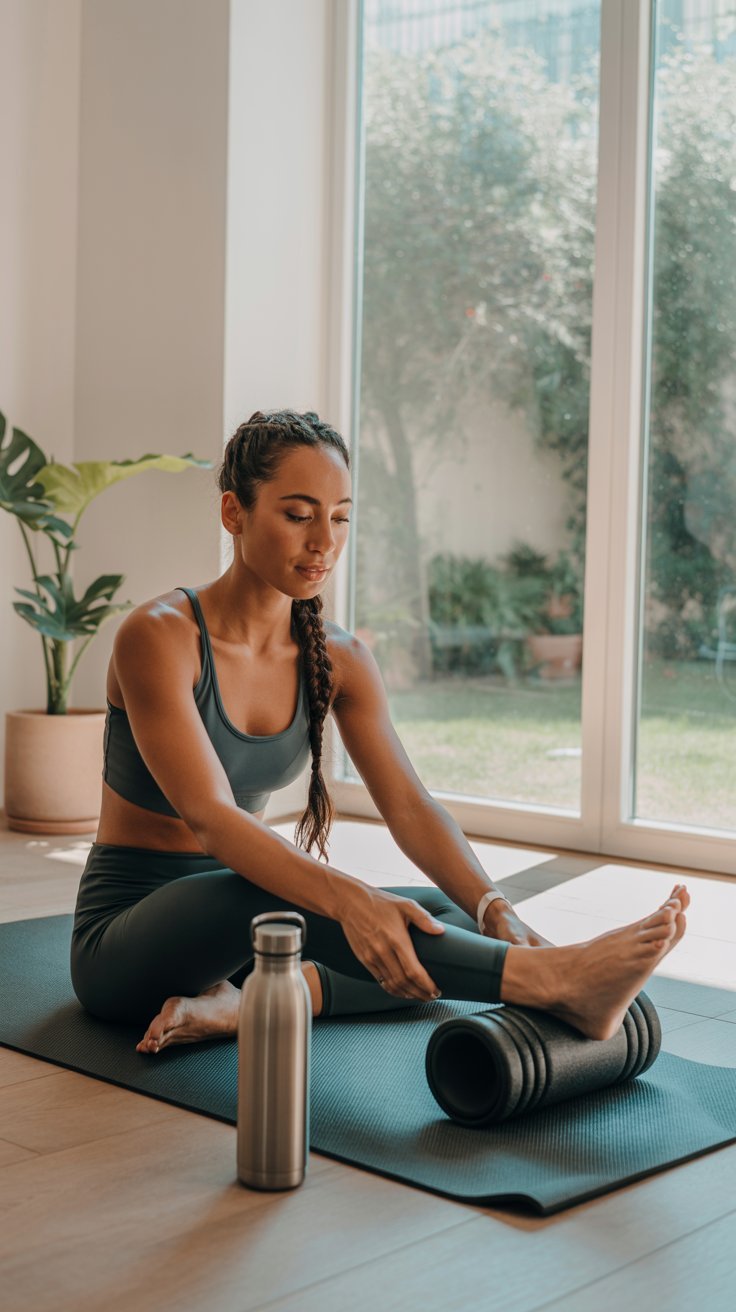
Balancing workouts with recovery is the key to long-term progress in any training program, especially a structured one like the push-pull-legs (PPL) split.
While consistency fuels results, recovery ensures that your muscles have the time and resources to rebuild stronger after every session.
Ignoring rest often leads to fatigue, plateaus, or even injury — all of which can stall your progress and motivation.
Why Recovery Matters
During strength training, muscles experience tiny tears that need time and proper nutrition to heal.
Recovery is when growth actually happens — the period where your body adapts to the stress of training, replenishes glycogen stores, and rebuilds tissue.
Without adequate rest, you risk overtraining, hormonal imbalances, and diminished performance.
Recovery isn’t just about days off. It’s an active process that includes sleep quality, hydration, nutrition, and stress management.
The more balanced these factors are, the more efficiently your body can perform and progress over time.
How to Balance It
To achieve the right balance between intensity and rest, start by scheduling recovery strategically.
If you follow a six-day PPL routine, consider taking one full rest day each week, or insert an active recovery day between cycles.
Active recovery might include light yoga, walking, or stretching to keep the blood flowing without overloading your muscles.
Sleep should be a top priority. Aim for at least seven to nine hours of quality rest per night.
During sleep, your body releases growth hormones that repair tissues and enhance muscle recovery.
Combine this with a diet rich in lean protein, complex carbohydrates, and healthy fats to support rebuilding and energy restoration.
Listening to your body is equally important. If you notice persistent soreness, fatigue, or loss of motivation, it’s a sign that you may need an extra rest day.
Adaptability is what keeps your training sustainable — recovery is not a setback but a necessary step in forward progress.
What You’ll Need
- A foam roller or massage ball for muscle relief and mobility work
- Comfortable space for stretching or yoga
- A hydration plan to maintain fluid balance
- Sleep routine that prioritizes rest and relaxation
Balancing workouts with recovery builds resilience. It allows you to train harder, stay consistent, and protect your long-term health.
Remember, recovery is not the opposite of training — it’s the other half of it.
8. Incorporating Cardio into Your Routine
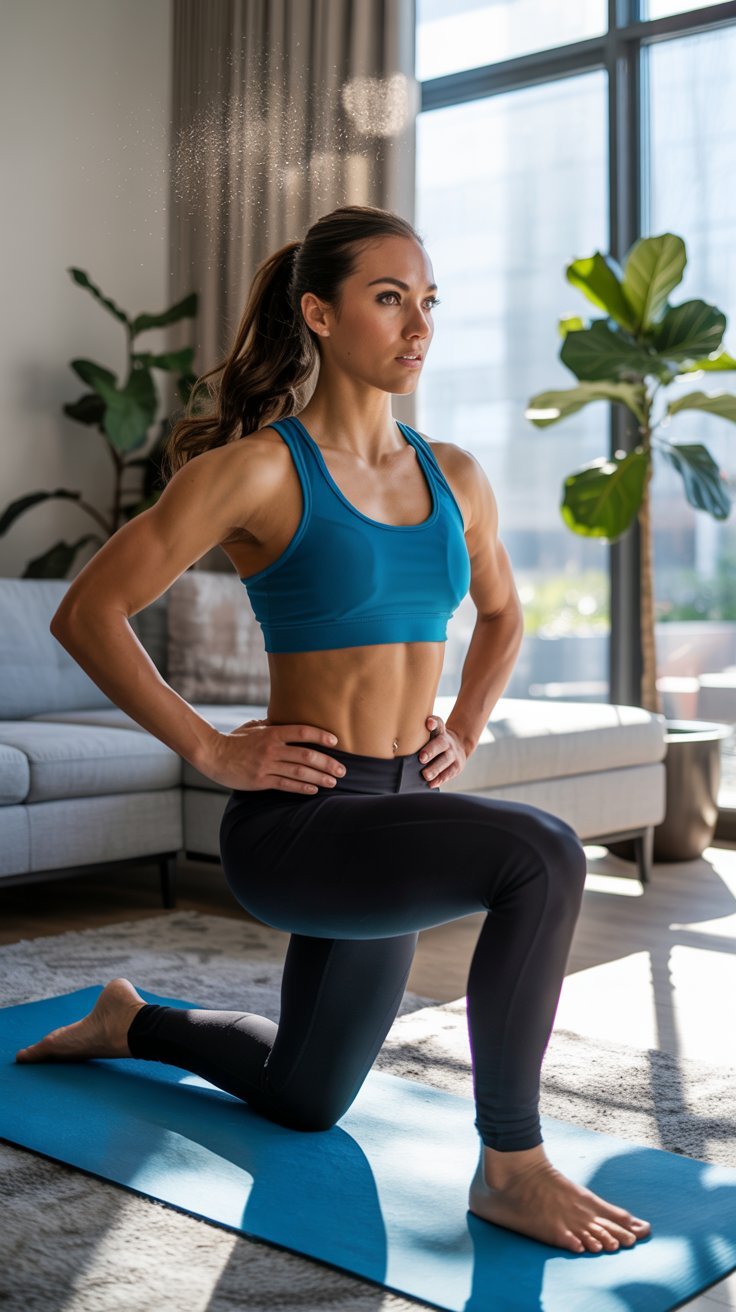
Cardio is often viewed as separate from strength training, but when integrated properly, it becomes a powerful complement to a push-pull-legs (PPL) routine.
Cardiovascular exercise improves heart health, endurance, and recovery while supporting fat loss and overall energy balance.
For those aiming to build a strong, lean physique, cardio helps enhance conditioning without compromising muscle growth — as long as it’s approached strategically.
Why Cardio Matters
Cardio training strengthens your cardiovascular system by improving the efficiency of your heart and lungs.
This allows your body to deliver oxygen more effectively during both workouts and recovery.
Regular cardio also helps regulate blood pressure, improves metabolism, and supports mental well-being through stress reduction.
When added to a resistance training program like PPL, cardio can accelerate fat loss and improve muscle definition.
It enhances stamina, enabling you to handle more intense lifting sessions while recovering faster between sets.
How to Incorporate It
To successfully combine cardio with your strength routine, balance intensity and timing.
Performing short, high-intensity cardio sessions (like sprints or HIIT) two to three times a week can elevate calorie burn without causing excessive fatigue.
Alternatively, lower-intensity cardio such as brisk walking, cycling, or swimming can be done more frequently for endurance and recovery benefits.
If your goal is muscle growth, schedule cardio after weight training or on separate days to avoid interfering with strength performance.
For fat loss or improved conditioning, morning fasted cardio or active recovery days can be particularly effective.
Example Schedule:
- Monday: Push Workout
- Tuesday: Pull Workout
- Wednesday: Light Cardio or Active Recovery
- Thursday: Legs Workout
- Friday: Strength-Focused Cardio (HIIT or Circuits)
- Saturday: Optional Steady-State Cardio
- Sunday: Rest or Gentle Stretching
What You’ll Need
Cardio doesn’t require fancy equipment. A pair of comfortable running shoes, a jump rope, resistance bands, or access to a stationary bike or treadmill are all excellent tools.
For bodyweight-based cardio, exercises like jumping jacks, mountain climbers, or burpees work well in any space.
Consistency and moderation are key. Too much cardio can hinder strength gains, while too little can slow down endurance and fat loss.
The goal is balance — using cardio as a tool to complement your strength training and create a complete, sustainable fitness program.
9. Common Mistakes to Avoid in PPL Training
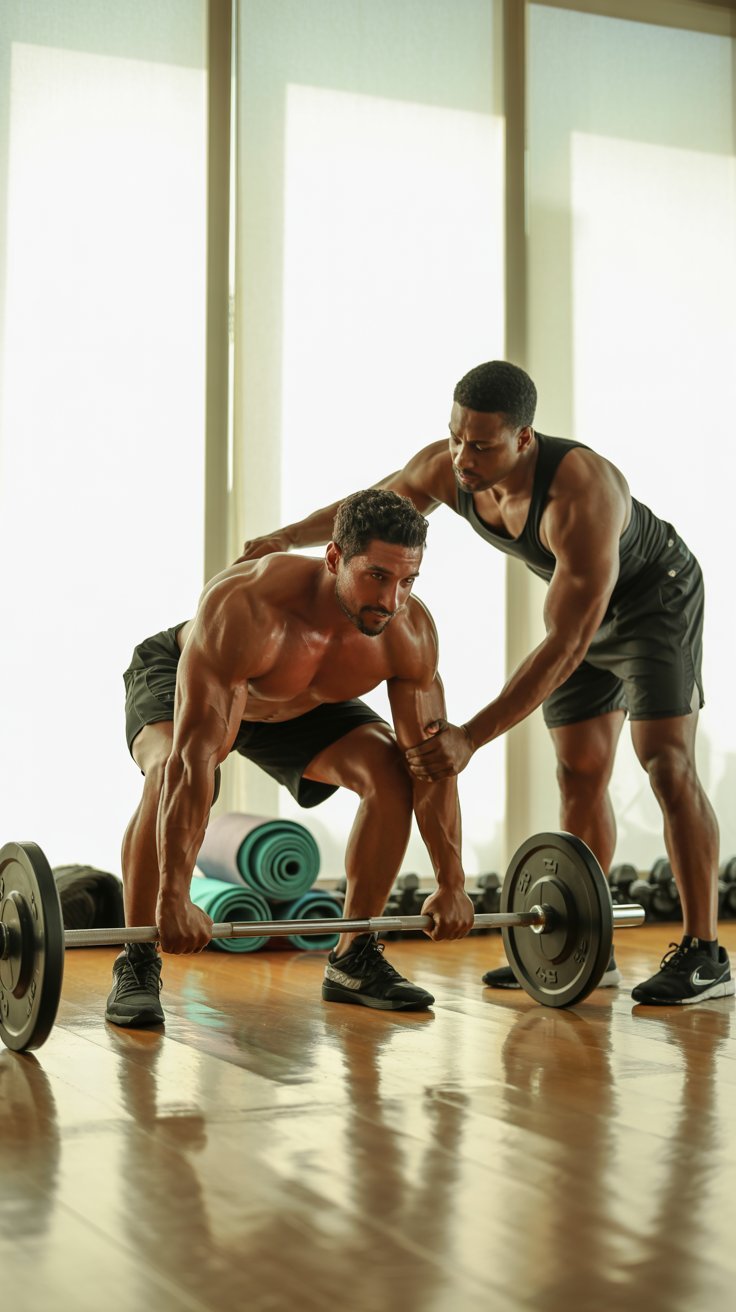
The Push-Pull-Legs (PPL) routine is simple in structure, but it’s easy to make mistakes that can slow progress, increase the risk of injury, or lead to muscle imbalances.
Understanding these common pitfalls can help you get the most out of your PPL program.
1. Skipping Warm-Ups or Mobility Work
Many lifters jump straight into heavy lifts without preparing their muscles and joints. Skipping warm-ups can increase injury risk and limit performance.
Spend 5–10 minutes warming up each session with light cardio, dynamic stretches, or mobility drills specific to the muscle group you’re training.
2. Overtraining Certain Muscle Groups
Even though PPL splits are designed to balance workloads, some lifters favor push or pull days and neglect leg day.
This leads to muscle imbalances and weaker overall performance. Stick to the routine and treat each workout equally to develop proportional strength.
3. Lifting Too Heavy, Too Soon
Progressive overload is key, but going too heavy too fast can compromise form and increase injury risk.
Focus on mastering technique before increasing weight, then gradually challenge yourself as strength improves.
4. Ignoring Recovery and Rest Days
PPL routines often encourage multiple training sessions per week, but some people underestimate the importance of rest.
Muscles grow and repair during recovery, not during the workout itself. Make sure you’re getting adequate sleep, nutrition, and at least one full rest day per week.
5. Neglecting Proper Form
Compromised form, such as swinging weights or using momentum, reduces effectiveness and can strain joints.
Pay attention to controlled movements, full range of motion, and proper posture on every exercise.
6. Doing Too Many Isolation Exercises
While isolation movements have a place, overemphasizing them at the expense of compound lifts can limit strength gains.
Compound movements like bench press, rows, squats, and deadlifts should form the foundation of your PPL routine.
7. Not Tracking Progress
Without tracking sets, reps, or weights, it’s difficult to know if you’re improving. Keeping a workout log ensures you progressively overload your muscles and avoid plateauing.
8. Ignoring Nutrition
Even the best PPL routine won’t yield results without proper nutrition. Failing to eat enough protein, healthy fats, and carbohydrates can slow muscle growth and recovery.
By avoiding these common mistakes, you’ll ensure your PPL training is both safe and effective, helping you build strength, muscle, and symmetry in a sustainable way.
10. Modifying Your Routine for Different Fitness Levels
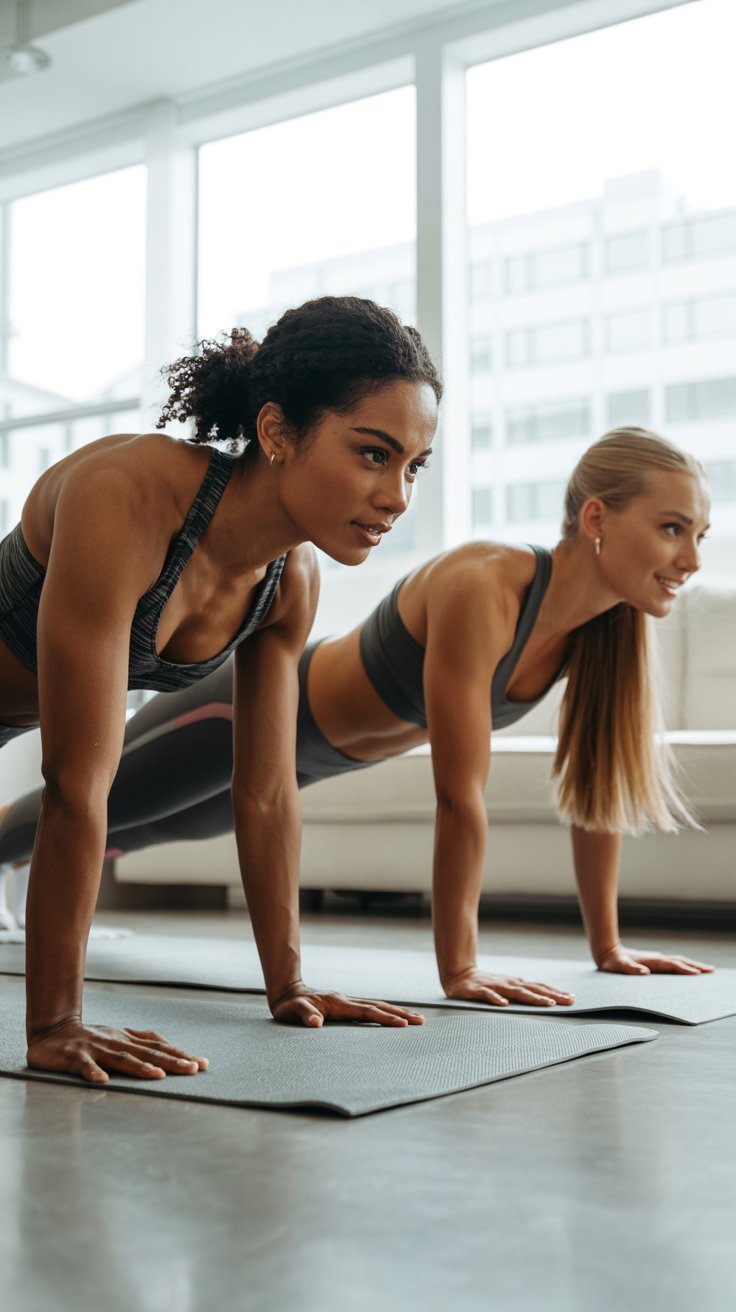
One of the greatest strengths of the push-pull-legs (PPL) split is its flexibility.
Whether you’re a beginner, intermediate, or advanced trainee, the structure can be easily adapted to meet your current fitness level and goals.
The key is understanding how to adjust volume, intensity, and exercise selection so your routine challenges you without leading to burnout or injury.
For Beginners
If you’re new to resistance training, start simple. Focus on mastering form and building a foundation of strength before increasing weights or training frequency.
Limit your routine to three or four sessions per week, allowing full recovery between workouts.
Use bodyweight exercises like push-ups, inverted rows, and air squats before progressing to weighted versions.
Keep reps in the 10–15 range with light resistance. Your primary goal at this stage is to develop coordination, control, and confidence in each movement.
Incorporate mobility and stretching to improve range of motion and prevent early fatigue.
For Intermediate Lifters
Once you’ve built consistency and understand basic movement patterns, increase training volume and introduce progressive overload.
You can move to five or six training days a week, repeating the PPL split twice.
Begin adding more challenging variations — such as incline presses, weighted pull-ups, or Romanian deadlifts — to stimulate new muscle growth.
Track your lifts weekly and aim to gradually increase either resistance or repetitions.
Intermediate lifters should also begin fine-tuning nutrition and recovery habits to match training demands, as this is where plateaus often occur.
For Advanced Athletes
Experienced lifters can further tailor their PPL routine by manipulating training intensity and advanced techniques.
Supersets, drop sets, and tempo variations help maximize muscle engagement and efficiency.
At this level, balancing heavy lifting with adequate recovery becomes essential to avoid overtraining.
Advanced trainees can also focus on weak-point training — adding extra volume or isolation work for lagging muscles — to create a more symmetrical physique.
Strategic deload weeks every four to six weeks allow your body to reset and continue progressing safely.
What You’ll Need
- A training log to track progression and note physical feedback
- Adjustable dumbbells, resistance bands, or barbells for scalable resistance
- A timer for rest intervals and intensity control
- A clear weekly schedule that aligns with your recovery capacity
No matter your experience level, the foundation remains the same — consistency, progression, and patience.
Modifying your PPL routine to fit your abilities ensures steady results and long-term sustainability, turning your workouts into a lifelong fitness habit.
Related Leg Workouts:
FAQ
1. What is a Push-Pull-Legs routine?
A Push-Pull-Legs (PPL) routine is a type of workout split that organizes exercises into three categories:
push (chest, shoulders, triceps), pull (back, biceps), and legs (quads, hamstrings, glutes, calves).
This structure ensures all major muscle groups are trained efficiently.
2. How many days per week should I do PPL?
Beginners often start with 3 days per week (one push, one pull, one leg day).
Intermediate or advanced lifters can train 5–6 days per week, repeating the cycle to maximize muscle growth and strength gains.
3. Can I do PPL at home without a gym?
Yes! You can adapt PPL with bodyweight exercises, resistance bands, or dumbbells.
For example, push days can include push-ups and shoulder presses, pull days can include rows with bands, and leg days can include squats, lunges, and step-ups.
4. How long should each PPL workout last?
Most PPL sessions last between 45–75 minutes, depending on intensity, exercise selection, and rest periods.
Focus on quality over quantity to ensure proper form and muscle engagement.
5. Do I need to do cardio on a PPL routine?
Cardio is optional but beneficial. It can improve cardiovascular health, endurance, and calorie burn. Many people add 2–3 moderate cardio sessions per week alongside their PPL routine.
6. How do I avoid overtraining with PPL?
Listen to your body, ensure proper rest between sessions, and avoid skipping recovery days.
Sleep, nutrition, and hydration play a big role in preventing overtraining and promoting muscle growth.
7. Can women follow a PPL routine?
Absolutely. PPL is effective for anyone looking to build strength, tone muscles, or improve fitness.
The same principles apply, and exercises can be adjusted based on individual goals and fitness levels.
8. How quickly will I see results from PPL training?
Results vary depending on consistency, nutrition, and training intensity.
Beginners may notice improvements in strength and endurance within 4–6 weeks, while visible muscle growth may take 8–12 weeks of consistent training.
Final Thoughts
The Push-Pull-Legs (PPL) routine is one of the most effective and versatile training structures for anyone looking to build muscle, increase strength, and maintain a balanced physique.
Its simplicity and flexibility make it ideal for beginners while still offering enough intensity and progression for advanced lifters.
By dividing workouts into push, pull, and leg days, you ensure that every major muscle group gets the attention it deserves, preventing imbalances and promoting proportional development.
One of the biggest advantages of PPL training is how it naturally aligns with recovery. Each muscle group gets enough rest between sessions, allowing you to train frequently without overtraining.
This structure also makes it easier to track progress, adjust intensity, and incorporate both compound and isolation exercises effectively.
Whether your goal is hypertrophy, strength, or general fitness, PPL offers a clear roadmap to success.
Consistency, proper nutrition, and listening to your body are key. Even the best routine won’t deliver results if recovery, sleep, or diet is neglected.
Make sure to fuel your workouts with adequate protein and calories, get enough rest, and adjust your weights progressively to continue challenging your muscles.
Finally, the beauty of PPL lies in its adaptability. You can scale it to your schedule, switch exercises to keep things fresh, and gradually increase volume or intensity as your strength improves.
Over time, you’ll notice improvements not just in your physique, but also in overall performance, energy levels, and confidence.
Bottom line: The Push-Pull-Legs split isn’t just another workout routine—it’s a sustainable, well-structured approach that delivers results when paired with consistency, proper nutrition, and smart recovery.
Start simple, stay disciplined, and you’ll build a strong, balanced, and aesthetically pleasing body while enjoying every step of the journey.