If you’ve been struggling with weight loss, low energy, or confusing diet plans, you’ve probably heard of intermittent fasting (IF).
It’s more than just a trend—it’s a science-backed eating pattern that has helped millions of people burn fat, lose weight, and improve their overall health without giving up the foods they love.
Unlike strict diets that force you to count every calorie or cut out entire food groups, intermittent fasting for beginners is simple: it focuses on when you eat rather than what you eat.
By cycling between periods of eating and fasting, you give your body time to use stored fat as fuel, which can lead to weight loss, better digestion, more energy, and even improved focus.
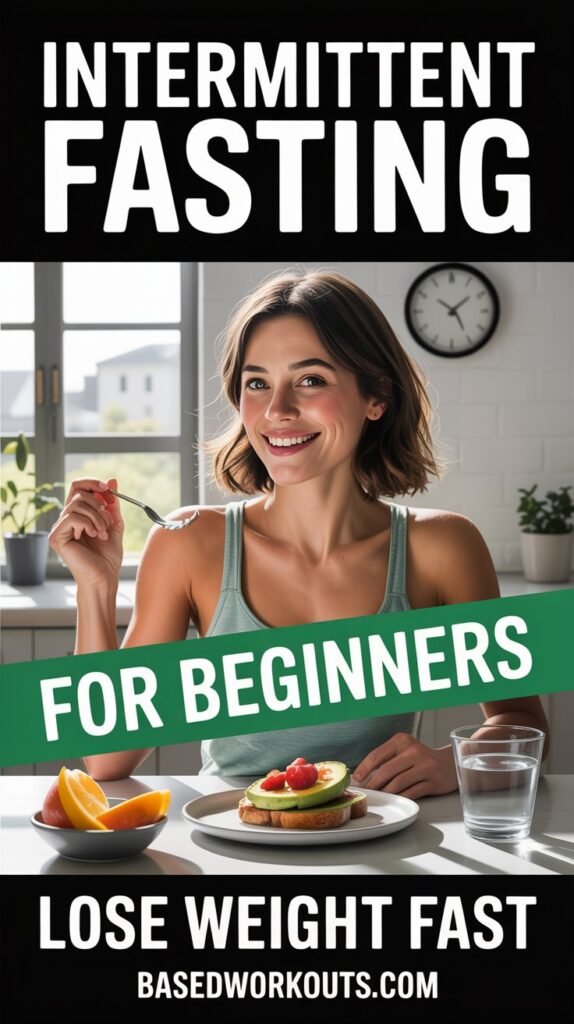
But here’s the truth—getting started with intermittent fasting can feel overwhelming. Which fasting schedule is best? Can you still drink coffee?
What foods should you eat when breaking a fast? And most importantly—does intermittent fasting really work for weight loss and long-term health?
This complete beginner’s guide to intermittent fasting will walk you through everything you need to know, including:
✅ The science behind intermittent fasting and fat loss
✅ The most popular fasting schedules (16/8, 5:2, alternate day fasting & more)
✅ What to eat (and what to avoid) when practicing intermittent fasting
✅ Benefits beyond weight loss—like improved blood sugar, digestion, and focus
✅ Common mistakes beginners make and how to avoid them
By the end of this guide, you’ll have the tools and confidence to start your own intermittent fasting journey—and actually stick to it.
If you want a full breakdown of fasting types and meal ideas, visit our Intermittent Fasting for Beginners: Diet, Benefits, and Meal Plans Guide
Amazon Gear for Intermittent Fasting Beginners I Recommend
Want to Lose Weight and Improve Your Health with Intermittent Fasting?
Starting out is simple when you have the right essentials to support your fasting hours and eating windows.
Below are my top Amazon picks that help beginners stay consistent, boost energy, and make fasting easier every day.
| Product | Why You’ll Love It | Shop Now |
|---|---|---|
| Intermittent Fasting for Beginners Book | Learn the science, benefits, and step-by-step fasting routines designed for healthy weight loss. | Check Price on Amazon |
| Electrolyte Drops (Zero Sugar) | Stay hydrated and energized during fasting hours — no calories or sweeteners. | View on Amazon |
| Herbal Detox Tea | Naturally supports digestion and fat metabolism while keeping you refreshed. | Shop Now |
| Digital Kitchen Scale | Perfect for tracking portion sizes and maintaining balanced meals during eating windows. | Buy on Amazon |
| Smart Water Bottle | Tracks your daily hydration goals automatically — a great tool for consistency. | See Details |
| Healthy Meal Prep Containers | Organize balanced meals ahead of time to stay on track with your fasting plan. | View on Amazon |
These beginner-friendly fasting essentials make it easier to lose weight, feel energized, and build lasting healthy habits — without overcomplicating your routine.
What is Intermittent Fasting?

Intermittent fasting (IF) is an eating pattern that cycles between periods of fasting and eating.
Unlike traditional diets that focus on what you eat, intermittent fasting focuses on when you eat. This approach helps regulate metabolism, burn fat efficiently, and improve overall health.
How Does Intermittent Fasting Work?
When you fast, your body undergoes several changes that make stored fat more accessible for energy. The key mechanisms behind IF include:
- Insulin Levels Drop: Lower insulin levels promote fat burning.
- Cellular Repair: Fasting triggers autophagy, where cells remove waste and regenerate.
- Increased Fat Burning: The body shifts from burning glucose to burning stored fat for energy.
Popular Intermittent Fasting Methods

There are several ways to practice intermittent fasting, each with unique benefits:
1. 16/8 Method (Leangains Protocol)
- Fast for 16 hours, eat within an 8-hour window.
- Common eating window: 12 PM – 8 PM
- Best for beginners and sustainable long-term.
2. 5:2 Diet
- Eat normally five days a week.
- Consume only 500-600 calories on two non-consecutive fasting days.
3. Alternate-Day Fasting (ADF)
- Fast every other day, consuming either zero or minimal calories (around 500 calories).
4. One Meal a Day (OMAD)
- Eat one large meal per day and fast for the remaining 23 hours.
- Best for experienced fasters looking for extreme fat loss.
5. 24-Hour Fast (Eat-Stop-Eat)
- Fast for 24 hours once or twice a week.
- Example: Eat dinner at 7 PM and fast until 7 PM the next day.
Benefits of Intermittent Fasting

Intermittent fasting provides various health benefits beyond weight loss:
1. Weight Loss & Fat Burning
- Fasting lowers insulin levels, making fat more accessible for energy.
- Increases metabolism by 3.6-14%.
2. Improves Insulin Sensitivity & Lowers Type 2 Diabetes Risk
- Reduces insulin resistance and blood sugar levels by 3-6%.
3. Enhances Brain Health & Prevents Neurodegenerative Diseases
- Boosts brain function and reduces Alzheimer’s and Parkinson’s disease risk.
4. Supports Heart Health
- Lowers blood pressure, LDL cholesterol, and inflammation.
5. Boosts Longevity
- Studies suggest IF may extend lifespan by activating cellular repair mechanisms.
How to Start Intermittent Fasting as a Beginner
Starting intermittent fasting can feel intimidating, but following these steps makes it easier:
Step 1: Choose a Fasting Method
Select a fasting plan that aligns with your lifestyle and goals.
Step 2: Ease Into It
Begin with a 12-hour fast and gradually increase your fasting window.
Step 3: Stay Hydrated
Drink plenty of water, herbal teas, black coffee, or green tea to stay hydrated and curb hunger.
Step 4: Eat Nutrient-Dense Meals
Focus on whole foods rich in protein, healthy fats, fiber, and complex carbohydrates.
Step 5: Listen to Your Body
If you feel dizzy or fatigued, adjust your fasting schedule or consult a healthcare professional.
For a practical fasting schedule, try following the 16:8 Intermittent Fasting Plan for Weight Loss & a Healthy Lifestyle — it’s one of the easiest methods to sustain long-term
Best Foods to Eat While Intermittent Fasting

Your eating window should consist of nutritious, whole foods to maximize benefits.
Proteins:
- Lean meats (chicken, turkey, fish)
- Eggs
- Tofu and tempeh
Healthy Fats:
- Avocados
- Nuts and seeds
- Olive oil and coconut oil
Complex Carbohydrates:
- Whole grains (quinoa, brown rice, oats)
- Vegetables (broccoli, spinach, carrots)
- Legumes (lentils, beans, chickpeas)
Hydrating Beverages:
- Water
- Herbal teas
- Black coffee (no sugar)
Common Mistakes to Avoid with Intermittent Fasting

Avoid these pitfalls to ensure success:
- Overeating During Eating Windows: Stick to balanced meals to prevent weight gain.
- Not Drinking Enough Water: Dehydration can cause fatigue and headaches.
- Ignoring Nutrient Intake: Prioritize whole foods over processed options.
- Expecting Instant Results: Weight loss and health improvements take time.
- Skipping Sleep: Lack of sleep can disrupt metabolism and hunger hormones.
Intermittent Fasting and Exercise
Intermittent fasting (IF) has exploded in popularity as a lifestyle approach to weight loss, improved energy, and better metabolic health.
But one of the most common questions people ask is: “Can I exercise while fasting, and if so, how?”
The short answer is yes — and when done the right way, combining intermittent fasting with exercise can be a powerful strategy for fat loss, muscle preservation, and overall fitness.
However, the approach you take matters. Factors like workout type, intensity, and timing all influence how your body responds.
Let’s break it down.
How Intermittent Fasting Affects Exercise
When you exercise during a fasting period, your body doesn’t have immediate access to food energy (glucose).
Instead, it shifts toward using stored fat as a primary energy source. This is one reason people report enhanced fat-burning when training in a fasted state.
- Fasted Cardio – Steady-state cardio, like walking, jogging, or cycling, tends to feel more natural in a fasted state. With glycogen (stored carbs) low, your body taps into fat reserves, which can be especially effective for weight loss.
- Strength Training – Lifting weights while fasting is possible, but you’ll need to monitor your energy levels. Some people feel strong training fasted, while others prefer to have fuel beforehand. The most important part is eating enough protein during your eating window to support recovery and muscle maintenance.
- High-Intensity Interval Training (HIIT) – Short bursts of high effort demand quick energy. Doing HIIT on an empty stomach can be tough, and may not be sustainable for everyone. If you enjoy HIIT, you might want to time it closer to the start of your eating window so you can refuel right after.
The Best Times to Exercise While Fasting
The “right” time to work out while fasting depends on your fasting schedule and your personal goals. Here are some strategies:
- Morning Fasted Workouts
Great for early risers. Doing cardio or light training before breakfast boosts fat burning and leaves you feeling accomplished first thing in the day. - Before Breaking the Fast
Many people like working out right before their eating window. This allows them to exercise in a fasted state, then eat immediately after — which helps recovery, muscle repair, and replenishing energy stores. - After a Meal (Fed Training)
If you want to lift heavier weights, push performance, or do HIIT, training after you’ve eaten may be more effective. Your body will have more immediate energy to fuel higher-intensity workouts.
The key is to experiment and find what works best for your energy levels, lifestyle, and fitness goals.
Benefits of Exercising While Fasting
Pairing intermittent fasting with exercise isn’t just about burning fat. The combination can improve your health on multiple levels:
✅ Accelerated Fat Burning – With glycogen stores lower, your body relies more on fat as fuel.
✅ Improved Insulin Sensitivity – Working out while fasting helps regulate blood sugar and improve how your body uses carbs when you do eat.
✅ Hormonal Advantages – Fasting increases growth hormone levels, which may support fat loss and muscle preservation.
✅ Convenience – No pre-workout meal to plan, which makes morning workouts faster and simpler.
✅ Mental Clarity – Many people report better focus and alertness when exercising fasted, especially for cardio.
Tips for Combining Intermittent Fasting and Exercise
If you’re new to fasting and working out, it’s important to approach it smartly. Here are some tips:
- Stay Hydrated – Water, black coffee, or unsweetened tea can help sustain energy during fasted workouts.
- Start with Low to Moderate Intensity – Don’t jump straight into sprints or heavy lifting. Begin with walking, light jogging, or bodyweight strength training.
- Break Your Fast Smartly – After your workout, refuel with protein, complex carbs, and healthy fats. This helps repair muscles and stabilizes energy.
- Listen to Your Body – If you feel dizzy, lightheaded, or extremely fatigued, stop and adjust. Not every workout has to be fasted.
- Prioritize Sleep and Recovery – Your body needs rest to adapt. Overtraining without enough recovery can stall progress.
- Cycle Your Workouts – You don’t need to train fasted every single day. Mix in fed workouts to maximize strength and performance.
Who Should Avoid Fasted Workouts?
While intermittent fasting and exercise can work for many, it’s not ideal for everyone. You may want to avoid it (or consult a doctor first) if you:
- Have blood sugar regulation issues or diabetes
- Struggle with low blood pressure or frequent dizziness
- Are pregnant or breastfeeding
- Are brand new to both exercise and fasting (build habits gradually first)
More Intermittent Fasting Resources:
Final Takeaway
Intermittent fasting and exercise can absolutely work together — the key is balance. Fasted cardio may help accelerate fat loss, while strength training (whether fasted or fed) will preserve and build lean muscle.
The most important thing is to experiment with timing, intensity, and recovery until you find what feels sustainable.
At the end of the day, fitness isn’t just about burning calories — it’s about creating a routine you can stick with long-term.
Whether you choose to train fasted or after a meal, consistency, good nutrition, and recovery will always be the biggest drivers of results.
FAQs
1. Can I work out on an empty stomach while intermittent fasting?
Yes, you can. Many people find that fasted workouts (especially in the morning) help burn more fat.
However, this depends on your energy levels, workout type, and overall nutrition. If you feel lightheaded or weak, you may need to adjust.
2. What type of exercise works best with intermittent fasting?
Low- to moderate-intensity exercises like walking, light jogging, yoga, or resistance training often pair well with fasting.
High-intensity workouts are possible but may feel more challenging on an empty stomach.
3. Will exercising while fasting cause muscle loss?
Not necessarily. As long as you consume enough protein and calories during your eating window, your body can preserve muscle mass. Strength training also helps maintain muscle while fasting.
4. Should I take supplements while exercising during intermittent fasting?
Some people use electrolytes, BCAAs, or black coffee for energy. Just make sure supplements don’t break your fast if that’s important to you.
Always check labels, since even small amounts of sugar or calories can affect fasting benefits.
5. Is intermittent fasting safe if I exercise daily?
Yes, but listen to your body. If you feel extreme fatigue, dizziness, or weakness, you may need to adjust your eating window, calorie intake, or workout intensity.
6. What should I eat after working out while intermittent fasting?
Focus on a balanced meal with protein (for muscle repair), healthy fats (for sustained energy), and complex carbs (to replenish glycogen).
Examples: grilled chicken with quinoa and veggies, salmon with sweet potatoes, or a protein shake with fruit.
7. Can intermittent fasting improve workout performance?
It depends. Some people report better focus and endurance in fasted states, while others feel drained.
Over time, your body may adapt and become more efficient at using stored fat for fuel.
8. Who should avoid combining intermittent fasting and exercise?
People with certain medical conditions (like diabetes, low blood pressure, or eating disorders), pregnant or breastfeeding women, or anyone on medication that requires food intake should consult a doctor first.
Final Thoughts
Intermittent fasting combined with exercise can be a powerful way to improve your health, lose fat, and build discipline.
When done correctly, it helps your body become more efficient at using fuel, boosts energy levels, and may even enhance endurance and recovery.
The key is listening to your body and adjusting your approach as needed—whether that means choosing the right type of workout, adjusting your eating window, or focusing on recovery and hydration.
Remember, there’s no one-size-fits-all solution. Some people thrive with fasted workouts, while others perform better after eating. The most important thing is consistency.
Stick with what works for you, fuel your body with nutritious foods during eating windows, and give yourself time to adapt.
With patience and commitment, intermittent fasting and exercise together can transform your fitness journey and bring long-lasting results.